
Tubeless Paper: Coreless Washroom Paper with No Waste

Picture of Foremost

Foremost

The powerhouse behind pioneering cleaning companies

Tubeless paper products offer a smarter, more sustainable solution for commercial washrooms by eliminating the traditional cardboard or plastic core. This simple innovation means no core waste, more usable paper per roll, and improved efficiency in washroom supply management.

What Is Tubeless Washroom Paper?

Tubeless is a complete range of coreless washroom paper products designed for use with compatible dispensers. The range includes:

  • Toilet rolls (mini-duo, centre-pull, centre-feed)

  • Hand towels (auto-cut, sensor-cut, Z-fold, V-fold)
    All products are engineered to maximise usable paper and minimise waste in commercial facilities.

Coreless Design – No Waste, More Paper

Because Tubeless products have no inner core, there is no core to dispose of at the end of the roll. This delivers real benefits:

  • 100% usable paper — every centimetre of the roll is paper, not waste. tubeless.com

  • More paper per roll, with each roll containing up to 9–54 m more paper than traditional core rolls depending on the type. Foremost

  • Reduced waste disposal — no cardboard or plastic cores to throw away, helping lower cleaning and waste costs.

Space and Storage Benefits

With no core, Tubeless rolls are packed tightly and compactly. This means fewer deliveries, smaller storage requirements and a reduced carbon footprint — making it an eco-friendly choice for facilities managing space and sustainability goals.

Stylish, High-Performance Dispensers

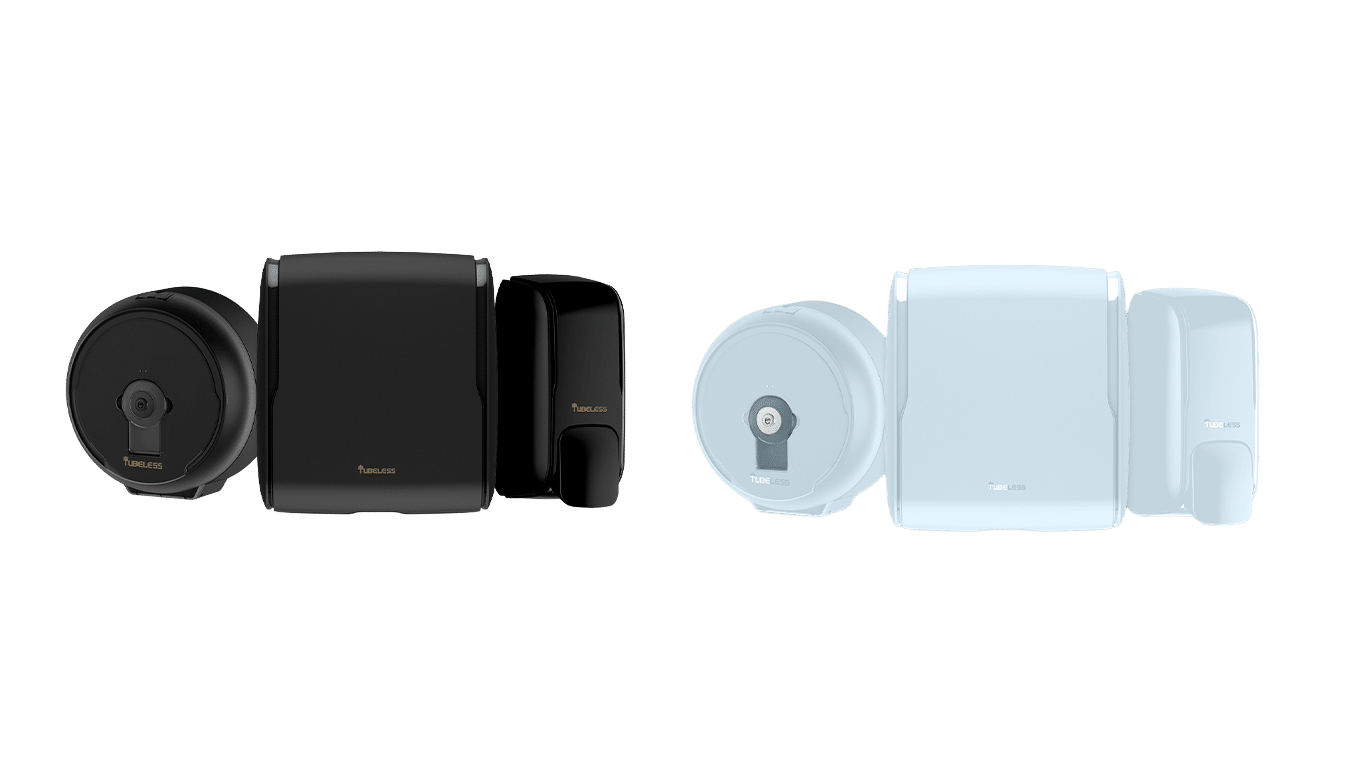
Tubeless paper products work with a range of luxury dispensers designed to suit modern washrooms. Options such as Executive Black and Ice Blue finishes provide a clean, professional appearance.

Smart Washroom Management with Hygiene Eye

For enhanced operational efficiency, Tubeless dispensers can include the Hygiene Eye smart sensor system. This technology alerts cleaning staff when a dispenser needs refilling and can help teams optimise cleaning cycles — reducing unnecessary visits and improving resource planning.

Facebook
Twitter
LinkedIn