The Assumption We Rarely Challenge
Traditional commercial air freshener solutions rely on batteries, timed sprays and regular intervention.
On paper, that feels controlled.
In reality, it creates more variables:
Batteries fail.
Refills run out mid-cycle.
Timers don’t reflect real traffic patterns.
Units get ignored because they’re “not critical”.
Each one is minor. Collectively, they create friction. Multiply that across 40, 80 or 150 sites, and you’ve built a small but constant drag on service performance.
The trade-off most businesses underestimate is this: the more moving parts you introduce into a consumable system, the more service risk you absorb.
Towair Air Freshener: Removing a Variable
The Towair Air Freshener is interesting not because it smells good. That’s the baseline.
It’s interesting because it removes complexity.
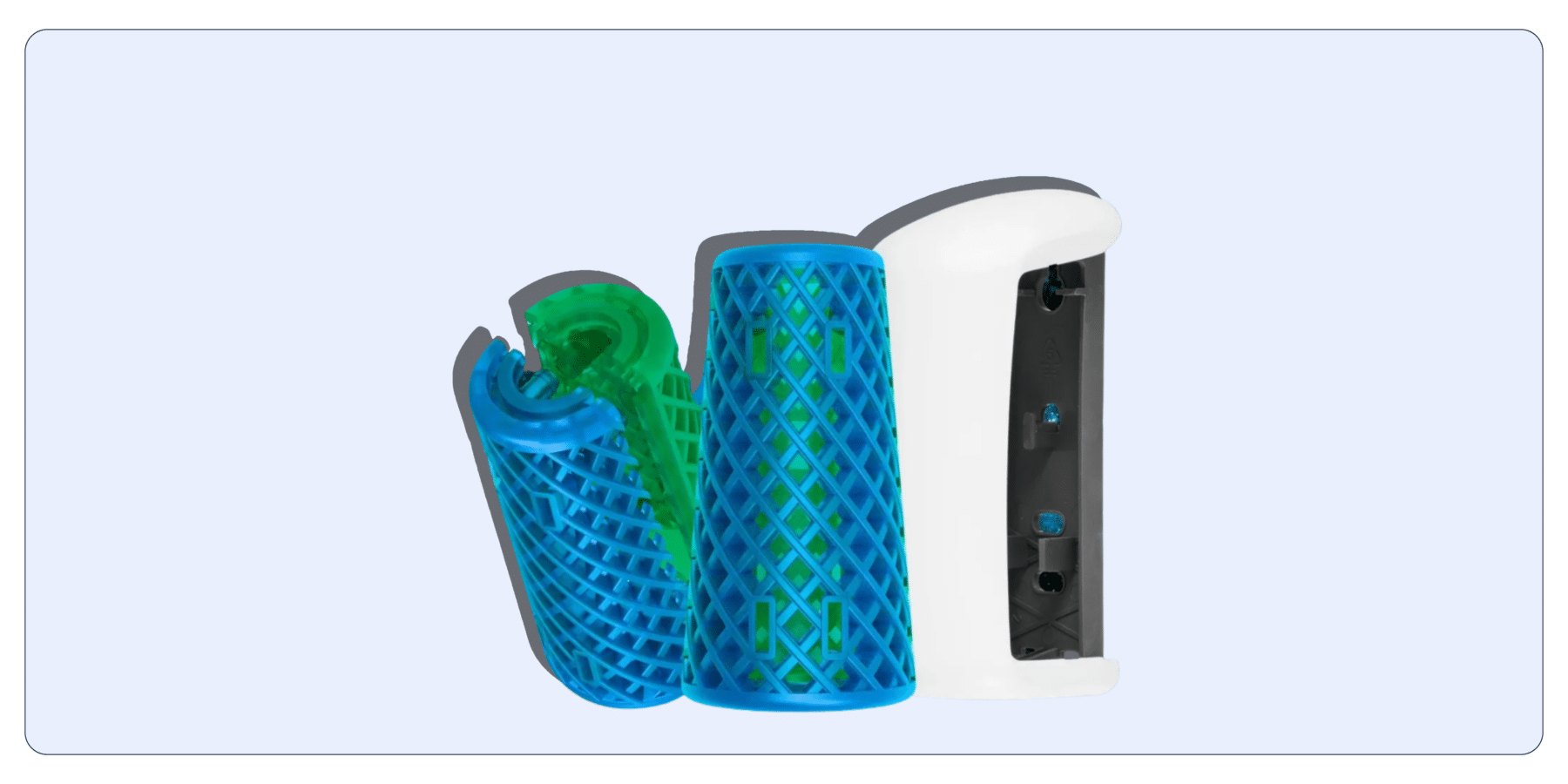
It’s a passive system. No batteries. No timed aerosol bursts. No power source. Fragrance is diffused through natural airflow, delivering up to 45 days of consistent scent.
That shift matters.
When you remove batteries, you remove one entire failure point.
When you remove aerosol spray cycles, you remove inconsistency.
When you extend refill life, you reduce labour touches.
That’s not a product feature story. That’s a systems story.
Improving Washroom Experience Without Adding Labour
In commercial environments, improving washroom experience usually means adding something: more checks, more products, more reporting.
But the smarter play is often subtraction.
Towair supports more consistent ambient scenting without increasing intervention frequency. For operations directors trying to stabilize service delivery across large estates, that’s the real gain.
Consistency does three things:
It protects perceived cleanliness.
It reduces reactive complaints.
It strengthens client confidence quietly in the background.
The best-performing cleaning businesses understand this: perceived quality is as commercially powerful as technical quality.
Air care sits directly in that perception gap.
The Margin Question No One Links to Air Fresheners
Here’s the uncomfortable link.
Every reactive visit, every missed refill, every avoidable complaint loop eats margin. Not dramatically. Just steadily.
When you look across an entire portfolio, “small” consumables can create measurable operational noise. Extra van movements. Supervisor time. Client calls. Apology emails.
It’s rarely analysed because it doesn’t show up clearly on a P&L line.
But it shows up in control.
Passive facility scenting technology like Towair shifts that equation. Fewer components. Fewer checks. Fewer reasons for things to quietly fail.
That’s a marginal gain. And marginal gains compound.
Sustainability Isn’t the Headline. It’s the By-Product
There’s also the environmental angle.
No batteries.
No aerosol propellants.
Recyclable refill material.
That aligns with sustainability objectives and ESG conversations, but more importantly, it aligns with simplification.
Future-winning cleaning businesses are moving toward lower-energy, lower-waste systems not just because they’re greener, but because they’re cleaner operationally.
Less waste. Less dependency. Less intervention.
Sustainability, in this case, is a resilience strategy.
What This Signals About Washroom Hygiene Innovation
Washroom hygiene innovation is often framed as high-tech. Sensors. Data. Automation.
But not all innovation is about adding intelligence.
Sometimes it’s about designing out failure.
Towair doesn’t rely on connectivity or dashboards. It relies on airflow and material design. That simplicity makes it scalable across multi-site contracts without increasing management overhead.
That matters if you’re serious about long-term resilience.
Because resilience isn’t built through complexity. It’s built through controlled systems that don’t demand constant supervision.
Where This Becomes Strategic
If you manage a large portfolio, ask yourself this:
How many of your current air care systems require checking, replacing or troubleshooting every month?
Now multiply that by your site count.
Now factor in missed visits and reactive call-outs.
Air freshening isn’t just ambience. It’s an operational behaviour pattern.
Switching to a passive commercial air freshener solution won’t transform your business overnight. But it may remove one recurring weakness from your service model.
And businesses that win long-term are usually the ones that quietly remove weaknesses faster than competitors.
The Bigger Picture
At Foremost, we’re less interested in products and more interested in what they change.
Towair Air Freshener changes the control dynamic around washroom scenting. It challenges the assumption that effective air care needs power, timing cycles and constant oversight.
For growth-minded cleaning leaders, the question isn’t “Does it smell good?”
It’s “Does this reduce variability in my operation?”
Where in your current consumables are you still tolerating low-grade service risk because it’s been normalised?